Is AZMovies Safe and Legal? Security, Privacy, and Legal Considerations

Ready to explore azmovies?
Direct instant portal link to essential features and tools.
Streaming movies online has become a daily habit for millions of viewers worldwide, but not all platforms operate within the same legal and security frameworks. When considering sites like azmovies, users often wonder whether they're putting themselves at risk legally, financially, or digitally. Understanding the safety and legality of any streaming platform requires examining multiple factors including copyright laws, data privacy practices, malware risks, and potential consequences of use.
This comprehensive guide breaks down everything you need to know about the security, privacy, and legal considerations surrounding online movie streaming platforms. Whether you're a casual viewer or someone who streams regularly, these insights will help you make informed decisions about your online entertainment choices.
Understanding the Legal Landscape of Free Streaming Sites
The legality of free streaming platforms operates in a complex gray area that varies significantly by jurisdiction. Most countries have strict copyright laws that protect intellectual property rights, meaning content creators and distributors hold exclusive rights to their movies and TV shows. When platforms like azmovies offer free access to copyrighted content without proper licensing agreements, they typically violate these laws.
Copyright infringement occurs when protected content gets distributed without permission from rights holders. While some argue that streaming differs from downloading because no permanent copy gets saved, courts in many jurisdictions have ruled that even temporary streaming can constitute copyright violation. The legal risk extends beyond the platform operators to potentially include users as well.
How Copyright Laws Apply to Streaming
Copyright protection grants creators exclusive rights to reproduce, distribute, and publicly display their work. Streaming services must obtain licensing agreements with studios and production companies to legally offer content. These agreements cost millions of dollars annually, which explains why legitimate platforms charge subscription fees.
Unlicensed streaming sites bypass these costs by hosting or linking to pirated content. They generate revenue through advertising rather than content licensing, creating an unsustainable model that exists in legal limbo. Users should understand that accessing copyrighted material through unauthorized channels may expose them to legal liability depending on local laws.
Security Risks Associated with Unauthorized Streaming Platforms
Security concerns represent one of the most immediate dangers when using unlicensed streaming sites. These platforms often lack the robust security infrastructure that legitimate services maintain, making them attractive targets for cybercriminals. Users may encounter malicious software, phishing attempts, and other digital threats that can compromise personal devices and data.
Malware distribution through unauthorized streaming sites occurs frequently. Pop-up ads, fake download buttons, and compromised video players can all serve as delivery mechanisms for viruses, ransomware, and spyware. Once installed, these threats can steal sensitive information, encrypt files for ransom, or turn devices into botnet nodes.
Common Security Threats on Free Streaming Sites
Drive-by downloads represent a significant risk where malware gets installed simply by visiting an infected page. Users don't need to click anything for this attack to succeed. Additionally, clickjacking techniques overlay invisible elements over legitimate buttons, tricking users into authorizing unwanted actions.
Cryptojacking has emerged as another threat where malicious scripts use visitor computing power to mine cryptocurrency without consent. This activity slows down devices, increases electricity usage, and accelerates hardware wear. Browser hijackers can also redirect searches, change homepage settings, and inject unwanted advertisements across all websites.
Privacy Concerns and Data Collection Practices

Privacy violations on unauthorized streaming platforms often go unnoticed until significant damage occurs. Unlike regulated services bound by privacy policies and data protection laws, unlicensed sites typically collect user information without transparency or consent. This data can include IP addresses, browsing habits, device information, and even personal details if users create accounts.
Third-party tracking represents another major privacy concern. Free streaming sites rely heavily on advertising networks that employ aggressive tracking technologies. These networks build detailed user profiles across multiple websites, creating comprehensive digital footprints that can be sold to data brokers or exploited for targeted scams.
What Information Gets Collected
Streaming platforms can collect extensive metadata about viewing habits including what you watch, when you watch, how long you watch, and what devices you use. This information reveals personal preferences, schedules, and potentially sensitive details about household members. Combined with other data points, it creates a detailed picture of your digital life.
Some unauthorized sites require email registration or even payment information for supposed premium features. Providing such details to unverified platforms puts users at risk of identity theft, phishing attacks, and credit card fraud. The lack of encryption on many of these sites means transmitted data can be intercepted by malicious actors.
Legal Consequences for Users
While enforcement varies significantly by country, users of unauthorized streaming sites can face legal consequences ranging from warning letters to substantial fines. Copyright holders increasingly pursue action against individual users, particularly in regions with strong intellectual property protection. Internet service providers may also take action by throttling bandwidth or terminating service for repeated violations.
Civil lawsuits represent the most common legal action against users. Copyright holders can sue for statutory damages which may reach thousands of dollars per infringed work. Although prosecuting individual streamers remains relatively rare compared to targeting site operators, the legal landscape continues evolving with new precedents established regularly.
ISP Monitoring and DMCA Notices
Internet service providers often monitor user activity for copyright violations as required by law. When detecting potential infringement, they typically send Digital Millennium Copyright Act notices to subscribers. Repeated violations can result in escalating consequences including bandwidth restrictions, temporary suspensions, or permanent account termination.
Some countries implement graduated response systems where users receive warnings before facing penalties. However, others take more aggressive approaches with immediate legal action. Understanding your local legal framework helps assess personal risk when considering platforms like azmovies.
Identifying Red Flags on Streaming Platforms

Recognizing warning signs helps users avoid the most dangerous streaming sites. Excessive pop-up advertisements indicate a platform prioritizes ad revenue over user experience and safety. Legitimate streaming services maintain clean interfaces with minimal intrusive advertising. When every click triggers multiple pop-ups, the site likely contains security risks.
Domain instability serves as another red flag. Sites that frequently change URLs or maintain multiple mirror domains do so to evade legal action and detection. This practice makes it difficult to hold operators accountable and suggests the platform operates outside legal boundaries.
Technical Warning Signs
Missing HTTPS encryption exposes user data to interception. Legitimate platforms implement SSL certificates to secure connections, indicated by a padlock icon in the browser address bar. Sites lacking this basic security measure should be avoided regardless of content offerings.
Requests for unnecessary permissions or personal information signal potential scams. Streaming content requires minimal user data, so platforms demanding extensive personal details, payment information for free services, or device permissions beyond basic functionality likely have ulterior motives.
Protecting Yourself While Streaming Online
Users who choose to stream content online can take several precautions to minimize risks. Installing comprehensive antivirus software provides essential protection against malware and other threats. Keeping security software updated ensures defense against the latest vulnerabilities and attack vectors that cybercriminals actively exploit.
Using virtual private networks adds a layer of privacy by encrypting internet traffic and masking IP addresses. While VPNs don't make illegal activities legal, they provide protection against some privacy invasions and tracking attempts. However, users should understand that VPNs don't eliminate legal risks associated with accessing copyrighted content.
Safe Browsing Practices
Ad blockers reduce exposure to malicious advertisements and tracking scripts. Browser extensions like uBlock Origin filter out dangerous content before it loads. Disabling JavaScript on untrusted sites prevents many attack vectors, though this may impact functionality.
Never downloading files from streaming sites eliminates a major infection vector. Genuine streaming requires no downloads beyond standard browser plugins. Any site requesting file downloads for viewing content likely attempts to distribute malware. Creating unique passwords for different services limits damage if credentials get compromised.
Legal Alternatives for Streaming Movies
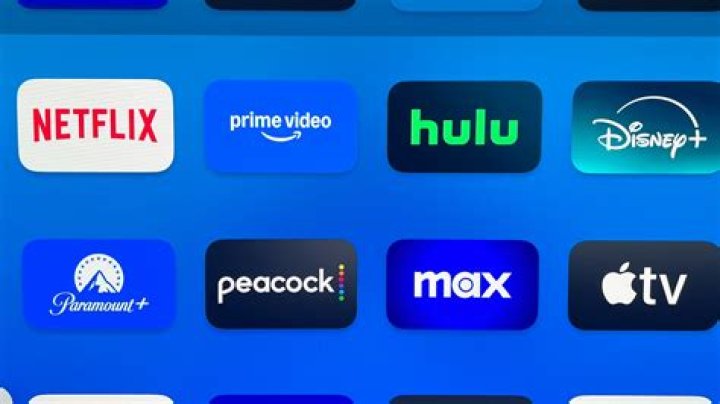
Numerous legal streaming options provide safe, legitimate access to extensive movie libraries. Subscription services like Netflix, Disney Plus, Amazon Prime Video, and HBO Max offer thousands of titles for reasonable monthly fees. These platforms maintain proper licensing agreements, provide secure viewing experiences, and support content creators financially.
Free legal alternatives also exist for budget-conscious viewers. Ad-supported platforms including Tubi, Pluto TV, and Crackle offer substantial content libraries at no cost. While they include advertisements, these services operate legally with proper licensing and maintain user security standards.
Library and Educational Resources
Public libraries increasingly offer digital streaming services through partnerships with platforms like Kanopy and Hoopla. Library card holders can access thousands of movies free through these services. Educational institutions often provide students with streaming access to academic and entertainment content through licensed platforms.
Rental and purchase options through iTunes, Google Play, Vudu, and YouTube provide pay-per-view alternatives. While individual titles cost more than subscription services, they offer flexibility for occasional viewers who prefer not maintaining ongoing subscriptions.
The Broader Impact of Piracy on the Entertainment Industry
Copyright infringement affects more than just major studios and production companies. Piracy reduces revenue throughout the entertainment ecosystem, impacting everyone from actors and directors to camera operators and set designers. When projects lose profitability due to piracy, fewer films get produced and industry jobs disappear.
Smaller independent productions suffer disproportionately from piracy. Major studios can absorb some losses, but independent filmmakers operating on tight budgets may see projects fail entirely due to unauthorized distribution. This dynamic reduces creative diversity and limits opportunities for emerging talent.
Economic Consequences
The entertainment industry estimates billions in annual losses attributable to piracy. These losses translate to reduced investment in new content, smaller production budgets, and fewer jobs. Countries with strong creative industries face economic impacts extending beyond entertainment into tourism, merchandising, and related sectors.
Tax revenue losses affect public services when entertainment companies earn less taxable income. Governments lose funding for infrastructure, education, and healthcare partially due to piracy's economic drain. Understanding these broader implications helps contextualize why copyright enforcement remains a priority for authorities worldwide.
Making Informed Decisions About Online Streaming
Evaluating streaming platforms requires balancing convenience, cost, safety, and legality. While sites like azmovies may offer free access to extensive movie libraries, users must weigh this benefit against significant risks. Legal consequences, security threats, and privacy violations can result in costs far exceeding subscription fees for legitimate services.
Informed decisions require understanding local copyright laws, assessing personal risk tolerance, and recognizing that free access often comes with hidden costs. The convenience of unauthorized streaming rarely justifies the potential legal, financial, and digital security consequences that users may face.
Final Thoughts
The question of whether platforms like azmovies are safe and legal has a clear answer when examining security, privacy, and legal considerations comprehensively. Unauthorized streaming sites operate outside legal frameworks, expose users to significant security risks, and compromise personal privacy through aggressive data collection and tracking. While enforcement varies by jurisdiction, the potential consequences range from malware infections and identity theft to legal action and substantial fines.
Legitimate streaming alternatives provide safer, legal options at reasonable costs while supporting the creative professionals who produce the entertainment we enjoy. Whether choosing subscription services, ad-supported platforms, or library resources, legal alternatives offer peace of mind that unauthorized sites cannot match. Making informed choices about online streaming protects your devices, data, and legal standing while contributing to a sustainable entertainment ecosystem that rewards creativity and innovation.
