How to Fix sflix Not Working: Troubleshooting Common Errors
Ready to explore sflix?
Direct portal access to sflix.
When your favorite streaming platform suddenly stops working, it's incredibly frustrating. You've settled in to watch something, only to encounter error messages, endless loading screens, or playback failures. Understanding why sflix isn't working and knowing how to fix these issues can save you time and get you back to streaming quickly.
Most streaming problems stem from a handful of common causes, ranging from simple browser cache issues to more complex network conflicts. This guide walks you through systematic troubleshooting steps that address the most frequent errors users encounter, helping you identify and resolve problems efficiently.
Check Your Internet Connection First

Before diving into complex solutions, verify your internet connection is stable and fast enough for streaming. Slow or unstable connections cause buffering, playback failures, and timeout errors. Run a speed test to confirm you have at least 5 Mbps for standard definition and 25 Mbps for high definition streaming.
If your connection is slow, try restarting your router by unplugging it for 30 seconds before plugging it back in. This simple reset often resolves temporary network glitches. Additionally, check if other devices on your network are consuming bandwidth through downloads or uploads, as this can impact streaming performance significantly.
Switch Between Wi-Fi and Mobile Data
Testing different connection types helps identify if the problem is network-specific. If you're on Wi-Fi, try switching to mobile data (if available) to see if the issue persists. This quick test reveals whether your home network or ISP is causing the problem.
Some internet service providers throttle streaming traffic during peak hours. If sflix works fine on mobile data but struggles on your home network, contact your ISP to discuss potential throttling issues or upgrade your plan for better streaming performance.
Clear Browser Cache and Cookies

Accumulated cache and cookies often cause loading errors and playback issues. These stored files can become corrupted or outdated, preventing the platform from loading properly. Clearing them forces your browser to fetch fresh data from the server.
To clear cache in Chrome, press Ctrl+Shift+Delete (Cmd+Shift+Delete on Mac), select "Cached images and files" and "Cookies and other site data," then click Clear data. For Firefox, use the same keyboard shortcut and select the appropriate options. After clearing, restart your browser completely before attempting to access the platform again.
Try Incognito or Private Browsing Mode
Opening sflix in incognito or private browsing mode bypasses extensions and cached data, providing a clean environment. If the platform works in incognito mode but not in your regular browser, the issue likely stems from an extension conflict or corrupted browser data.
This diagnostic step helps narrow down whether browser-specific configurations are causing the problem. It's particularly useful when clearing cache doesn't resolve the issue immediately.
Disable Browser Extensions and Ad Blockers
Browser extensions, particularly ad blockers and privacy tools, can interfere with streaming platforms by blocking necessary scripts or resources. While these tools serve important purposes, they sometimes prevent legitimate content from loading correctly.
Temporarily disable all extensions to test if one is causing the problem. In Chrome, navigate to chrome://extensions/ and toggle off each extension. In Firefox, go to about:addons and disable extensions from there. If the platform works after disabling extensions, re-enable them one at a time to identify the culprit.
Whitelist the Streaming Domain
Once you've identified a problematic extension, consider whitelisting the streaming domain rather than disabling the extension entirely. Most ad blockers and privacy tools allow you to create exceptions for specific websites, letting you maintain protection on other sites while allowing full functionality on streaming platforms.
Check your extension's settings for whitelist or exception options. Add the domain to ensure all necessary resources load without interference while keeping your security tools active elsewhere.
Update Your Browser to the Latest Version
Outdated browsers lack support for modern web technologies required by streaming platforms. Video players rely on current HTML5 standards, JavaScript features, and security protocols that older browser versions may not support properly.
Check your browser version by clicking the menu icon and selecting "About" or "Help." Most browsers automatically update, but manual updates may be necessary if automatic updates are disabled. After updating, restart your browser completely to ensure all new features are properly loaded.
Resolve DNS and Server Connection Issues
Domain Name System (DNS) problems prevent your browser from finding the correct server address. When DNS fails, you'll see connection timeout errors or "cannot reach server" messages even though your internet connection works fine for other sites.
Switching to public DNS servers like Google DNS (8.8.8.8 and 8.8.4.4) or Cloudflare DNS (1.1.1.1) often resolves these issues. On Windows, access Network Settings, select your connection, click Properties, choose Internet Protocol Version 4, and enter the DNS servers manually. On Mac, go to System Preferences, select Network, click Advanced, navigate to the DNS tab, and add the new DNS servers.
Flush Your DNS Cache
Your system stores DNS information locally, and corrupted DNS cache can point to incorrect server addresses. Flushing this cache forces your system to retrieve fresh DNS information.
On Windows, open Command Prompt as administrator and type "ipconfig /flushdns" then press Enter. On Mac, open Terminal and enter "sudo dscacheutil -flushcache; sudo killall -HUP mDNSResponder" followed by your password. After flushing DNS, restart your browser and attempt to access the platform again.
Disable VPN or Proxy Services Temporarily
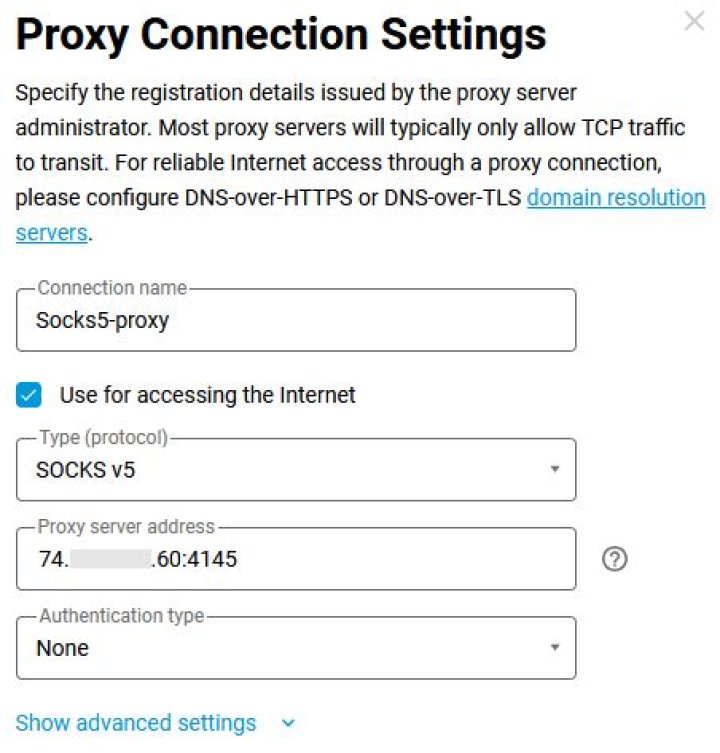
Virtual Private Networks and proxy servers route your connection through different locations, which can cause compatibility issues with streaming platforms. Some platforms detect and block VPN traffic, while others experience performance degradation due to increased routing distance.
Temporarily disable your VPN or proxy to test if it's causing the problem. If sflix works without the VPN, try connecting to different VPN servers, as some locations may work better than others. Premium VPN services often have dedicated streaming servers optimized for video platforms.
Check for Platform-Wide Outages
Sometimes the problem isn't on your end at all. Server outages, maintenance periods, or technical issues affect all users simultaneously. Before spending more time troubleshooting, verify whether the platform is experiencing widespread problems.
Check social media platforms, particularly Twitter, where users typically report outages quickly. Search for recent mentions of the platform along with terms like "down" or "not working." Third-party status monitoring websites also track reported issues across various services, providing real-time information about potential outages.
Try Different Browsers or Devices
Testing on alternative browsers or devices helps determine if the issue is device-specific or account-related. If sflix works on your phone but not your computer, the problem likely involves your computer's configuration rather than the platform itself.
Download a different browser like Firefox, Chrome, Edge, or Brave if you don't already have alternatives installed. Access the platform using this fresh browser without signing in to any accounts or installing extensions. This provides a baseline test environment that eliminates most local variables.
Test on Mobile Apps Versus Web Browsers
Mobile applications use different streaming protocols and caching mechanisms than web browsers. If you're experiencing issues on the web version, try using a mobile app (if available) or vice versa. This comparison reveals whether the problem is platform-wide or specific to one access method.
Mobile apps often handle network fluctuations better and include offline viewing capabilities. They may continue working even when browser-based access encounters problems.
Adjust Video Quality Settings
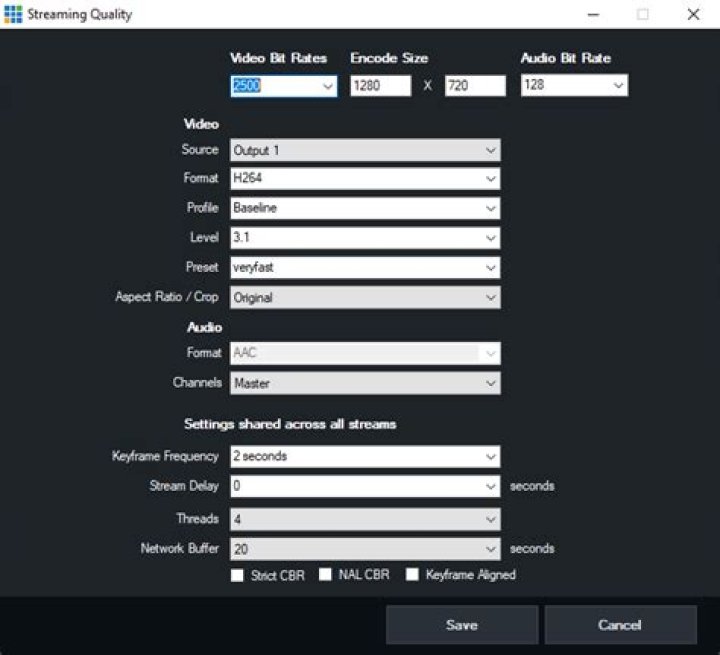
High-definition streaming requires substantial bandwidth and processing power. If you're experiencing buffering or playback interruptions, your connection may not sustain the selected quality level. Lowering video quality reduces bandwidth requirements and can eliminate stuttering.
Look for quality settings in the video player, usually represented by a gear icon or quality selector. Start with a lower resolution like 480p or 720p. If playback becomes smooth, gradually increase quality until you find the optimal balance between visual quality and performance on your connection.
Verify Your Device Meets System Requirements
Older devices or those with insufficient resources struggle with modern streaming platforms. Video playback demands significant CPU and RAM resources, particularly for high-resolution content. Check your device specifications against recommended requirements for smooth streaming.
Close unnecessary applications and browser tabs to free up system resources. Background processes consume memory and processing power that could otherwise support video playback. Task Manager on Windows or Activity Monitor on Mac shows which applications are consuming the most resources.
Update Graphics Drivers
Outdated or corrupted graphics drivers cause video playback issues, black screens, or visual artifacts. Graphics processing units handle video decoding and rendering, making current drivers essential for smooth streaming.
Visit your graphics card manufacturer's website (NVIDIA, AMD, or Intel) to download the latest drivers. Windows users can also update drivers through Device Manager by right-clicking the display adapter and selecting "Update driver." After installation, restart your computer before testing streaming again.
Disable Hardware Acceleration
Hardware acceleration offloads video processing to your graphics card, improving performance in most cases. However, driver incompatibilities or hardware limitations sometimes cause this feature to malfunction, resulting in playback errors or visual glitches.
In Chrome, navigate to Settings, click Advanced, find System settings, and toggle off "Use hardware acceleration when available." In Firefox, go to Settings, scroll to Performance, uncheck "Use recommended performance settings," then disable "Use hardware acceleration when available." Restart your browser after making this change.
Review Firewall and Antivirus Settings
Security software protects your system but can mistakenly block legitimate streaming traffic. Firewalls filter network connections, and overly strict settings may prevent the platform from establishing necessary connections for video delivery.
Temporarily disable your firewall or antivirus to test if they're interfering. If the platform works with security software disabled, add exceptions for the streaming domain in your security software settings. This maintains protection while allowing streaming traffic through.
Configure Port Forwarding if Necessary
Some streaming platforms use specific network ports for optimal performance. If you're comfortable with router configuration, check if port forwarding improves connectivity. However, this advanced step is only necessary if other solutions haven't resolved the issue and you suspect network configuration problems.
Consult your router's documentation for port forwarding instructions, as the process varies by manufacturer. Only forward ports to trusted applications, as open ports can pose security risks if misconfigured.
Contact Support When All Else Fails
If you've exhausted all troubleshooting steps without success, the issue may require specialized assistance. Document the specific error messages you're receiving, the steps you've already taken, and your device information before reaching out.
Detailed information helps support teams diagnose problems faster. Include your browser version, operating system, internet speed, and any error codes displayed. Screenshots of error messages provide visual context that can expedite resolution.
Final Thoughts
Most streaming issues with sflix resolve through systematic troubleshooting of common problems. Start with simple solutions like checking your internet connection and clearing cache before moving to advanced steps like DNS configuration or driver updates. The majority of playback errors stem from browser cache, network connectivity, or extension conflicts—all relatively easy fixes.
Remember that streaming platforms constantly evolve, and what works today may require adjustment tomorrow as technologies and protocols change. Keeping your browser updated, maintaining a stable internet connection, and understanding basic troubleshooting steps ensures you'll minimize downtime and get back to streaming quickly whenever issues arise.
Explore More on Sflix
Thank you for reading! For more comprehensive guides and site pages, return to the Sflix Homepage .
