Is sflix Safe and Legal? Security, Privacy & Risk Analysis
Ready to explore sflix?
Direct portal access to sflix.
Free streaming platforms have exploded in popularity, but questions about their safety and legality remain a serious concern for millions of users worldwide. When it comes to sflix, understanding the security risks, privacy implications, and legal status isn't just about protecting your device—it's about protecting yourself from potential legal consequences and data breaches. This analysis breaks down everything you need to know about using this platform.
Before accessing any free streaming service, you should understand what you're actually agreeing to and what risks you're taking on. The convenience of instant access to content often masks significant underlying concerns that could affect your digital security, personal privacy, and even your legal standing.
Understanding the Legal Status of Streaming Platforms
The legality of streaming platforms hinges on licensing agreements and copyright compliance. Licensed services like Netflix, Disney+, and Amazon Prime pay content creators and rights holders for distribution rights. These platforms operate within established legal frameworks and hold proper licensing for every title in their catalogs.
Unlicensed streaming platforms operate in a legal gray area or outright illegality depending on jurisdiction. They typically don't pay for content rights, which means they're distributing copyrighted material without permission. In most countries, this constitutes copyright infringement regardless of whether users download content or simply stream it.
How Copyright Law Applies to Streaming
Copyright law has evolved to address digital streaming, though enforcement varies significantly by country. In the United States, the Digital Millennium Copyright Act (DMCA) makes it illegal to circumvent copyright protections or knowingly stream copyrighted content without authorization. The European Union has similar directives that member states enforce with varying degrees of strictness.
Users often assume that streaming carries less legal risk than downloading, but courts in several jurisdictions have ruled otherwise. While prosecution of individual streamers remains rare compared to operators of illegal platforms, the legal risk exists and has resulted in fines and legal action in certain cases.
Security Risks Associated with Unauthorized Streaming Sites
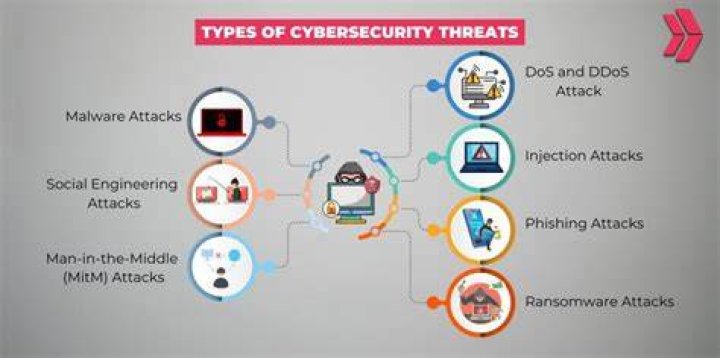
Unauthorized streaming platforms pose substantial security threats that extend far beyond legal concerns. These sites often lack basic security infrastructure and may actively exploit visitors through malicious code, deceptive advertising, and data harvesting practices.
Malware distribution represents one of the most immediate dangers. Many unlicensed streaming sites embed or link to malicious software disguised as video players, codec updates, or verification tools. Once installed, these programs can steal personal information, encrypt files for ransom, or turn your device into part of a botnet.
Common Attack Vectors on Free Streaming Platforms
Drive-by downloads occur when simply visiting a site triggers automatic malware installation without user interaction. Cybercriminals exploit browser vulnerabilities to execute code that installs spyware, keyloggers, or cryptocurrency miners on visitor devices.
Phishing schemes frequently appear as fake login pages, payment verification screens, or account registration forms. These collect credentials that attackers use to compromise legitimate accounts on banking sites, email services, and social media platforms. The information gathered often ends up sold on dark web marketplaces.
Aggressive and Malicious Advertising Practices
Unauthorized streaming sites rely heavily on advertising revenue, but the ad networks they use often lack proper vetting. Malvertising—malicious advertising—redirects users to scam sites, fake tech support pages, or domains that attempt to install unwanted software. Pop-ups and pop-unders frequently appear designed to confuse users into clicking through to dangerous destinations.
Some sites employ clickjacking techniques where invisible layers capture clicks intended for legitimate buttons. Users think they're playing a video but are actually authorizing notifications, installing extensions, or subscribing to premium SMS services that charge their phone bills.
Privacy Concerns and Data Collection Practices
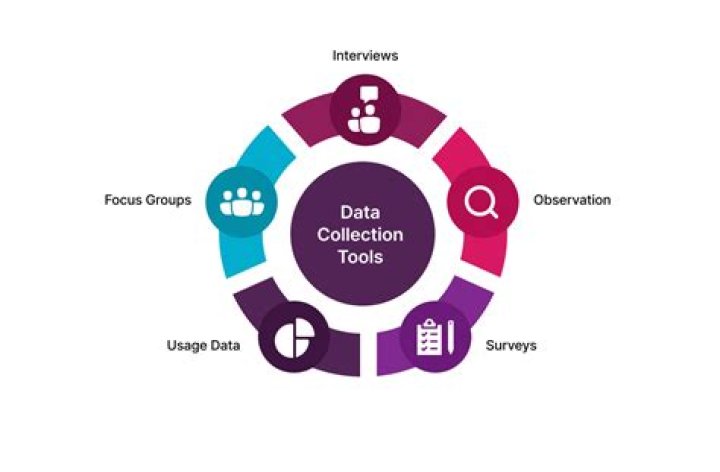
Privacy policies on unlicensed streaming platforms—when they exist at all—rarely reflect actual data practices. These services collect extensive information about visitors, including IP addresses, device fingerprints, browsing patterns, and interaction data. Unlike regulated companies, they face no meaningful accountability for how they use or share this information.
Third-party trackers embedded throughout these sites create detailed profiles of user behavior. Advertising networks, analytics services, and data brokers collect information that gets aggregated across multiple sites and platforms. This data often includes viewing habits, timestamps, geographic location, and device specifications.
The Business Model Behind Free Streaming
Many unauthorized platforms monetize user data as aggressively as they do advertising space. Behavioral data gets sold to marketing companies, while more sensitive information may reach less scrupulous buyers. Email addresses harvested from registration forms frequently appear on spam lists within days.
Some platforms operate as fronts for more sophisticated data harvesting operations. They entice users with free content while collecting credentials, payment information from phishing attempts, and detailed usage patterns that reveal personal habits and preferences.
ISP Monitoring and Copyright Infringement Notices
Internet service providers can monitor traffic patterns and detect connections to known streaming sites. While ISPs typically don't inspect the actual content of encrypted connections, metadata reveals which domains users visit and how much data they transfer. Copyright holders work with ISPs to identify potential infringement and send violation notices.
DMCA notices or similar copyright warnings arrive when rights holders detect unauthorized access to their content. These notices typically demand that users cease the infringing activity and may threaten legal action for continued violations. While initial notices rarely result in immediate legal consequences, repeated violations can lead to service termination or legal proceedings.
VPNs and Their Limitations
Virtual private networks encrypt traffic and mask IP addresses, which provides some privacy protection. However, VPNs don't make illegal activity legal—they simply make it harder to trace. Copyright enforcement agencies increasingly target VPN providers with subpoenas, and some jurisdictions require VPN companies to maintain logs or block access to specific sites.
VPNs also don't protect against malware, phishing, or other security threats present on the streaming sites themselves. Users may feel a false sense of security while remaining vulnerable to the same attacks that affect non-VPN users.
Comparing Risk Profiles: Sflix Versus Licensed Alternatives
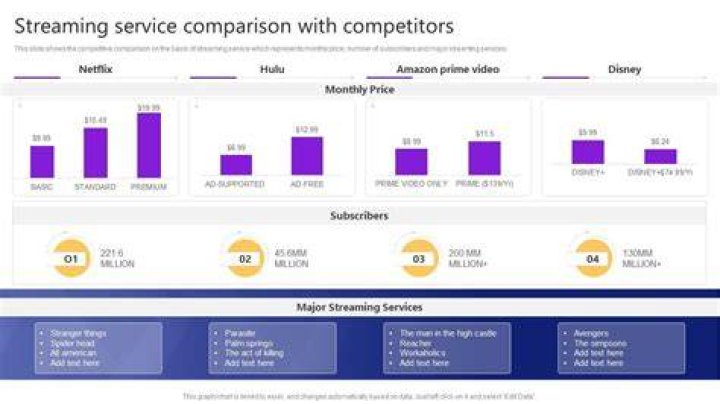
Licensed streaming platforms invest heavily in security infrastructure, privacy compliance, and legal content acquisition. They employ encryption, multi-factor authentication, and regular security audits. Privacy policies undergo legal review and must comply with regulations like GDPR in Europe or CCPA in California.
The trade-off for legitimate services involves subscription costs and content availability limitations based on geographic licensing. However, these platforms provide legal certainty, robust security, customer support, and quality assurance that unauthorized sites cannot match.
Hidden Costs of Free Streaming
Free streaming platforms extract value through exposure to security risks, privacy violations, and potential legal liability. The time spent dealing with malware infections, identity theft, or legal notices far exceeds the cost of legitimate subscriptions. Device repairs, credit monitoring services, and legal consultations add up quickly when security incidents occur.
Legitimate services offer free tiers with ads—Peacock, Tubi, Pluto TV, and others provide legal content at no cost. These represent genuinely free alternatives without the legal and security baggage of unauthorized platforms.
Geographic Variations in Legal Risk and Enforcement
Enforcement of copyright law varies dramatically across jurisdictions. Countries like Germany, Japan, and the United States actively prosecute both operators and users of illegal streaming services. Others focus primarily on platform operators while rarely targeting individual users.
European nations have increasingly coordinated enforcement efforts, with several high-profile prosecutions of streaming site operators and users who redistributed content. Asian countries show mixed approaches, with some enforcing copyright strictly while others take more relaxed positions.
Recent Legal Developments and Precedents
Courts have established that ignorance of a platform's legal status doesn't constitute a defense against copyright infringement. Several rulings have found users liable for accessing content they knew or should have known was unauthorized. The "too good to be true" principle applies—free access to premium content typically signals illegal distribution.
Law enforcement agencies have shut down major streaming operations, often seizing domain names and bringing criminal charges against operators. These takedowns create temporary disruptions but new platforms frequently emerge to fill the void, often operated by the same groups under different names.
Identifying Red Flags and Warning Signs
Several indicators suggest a streaming platform operates outside legal boundaries. Lack of clear company information, missing terms of service, or vague privacy policies signal potential issues. Excessive advertising, especially pop-ups and redirects, indicates reliance on aggressive monetization that legitimate services avoid.
Content availability represents another warning sign. Platforms offering current theatrical releases, brand-new TV episodes, or complete catalogs from multiple major studios without subscription fees almost certainly lack proper licensing. Legitimate services clearly display content licensing and release windows.
Technical Indicators of Unsafe Platforms
Missing HTTPS encryption exposes user data to interception. While not all unencrypted sites are malicious, the absence of basic security measures suggests negligence or worse. Requests to disable security software, install special players, or update codecs are classic malware distribution tactics.
Domain names that mimic legitimate services with slight variations—adding hyphens, changing top-level domains, or using similar spelling—indicate potential scams. Frequent domain changes suggest platforms trying to stay ahead of enforcement actions.
Practical Steps for Safer Streaming Decisions
Research any streaming platform before use by checking reviews from reputable technology sites, reading user experiences on forums, and verifying legal status. If you can't find clear information about a platform's licensing and ownership, that itself serves as a warning sign.
Use comprehensive security software that includes real-time protection, web filtering, and behavioral detection. Keep all software updated, especially browsers and operating systems, to patch vulnerabilities that streaming sites might exploit. Enable browser security features like pop-up blocking and tracking protection.
Building a Legal Streaming Strategy
Multiple legitimate options exist at various price points. Subscription services offer extensive libraries, while ad-supported free tiers provide legal access to substantial content. Library cards often include free access to streaming services like Kanopy or Hoopla that offer quality films and shows.
Rotating subscriptions—subscribing to one service for a month, watching desired content, then switching to another—maximizes value while minimizing cost. This approach provides legal access to diverse content without maintaining multiple simultaneous subscriptions.
What Happens If You've Already Used Risky Platforms
If you've accessed unauthorized streaming sites, take immediate steps to mitigate potential damage. Run comprehensive malware scans using reputable security software. Change passwords for important accounts, especially if you entered credentials on suspicious sites. Monitor financial accounts and credit reports for signs of fraud.
Consider the legal position carefully. While prosecution of individual streamers remains uncommon, cease using unauthorized platforms immediately to avoid accumulating additional violations. Copyright notices should be taken seriously, even if they don't represent immediate legal action.
Long-Term Digital Hygiene Practices
Implement strong, unique passwords for each service using a password manager. Enable two-factor authentication wherever available to protect against credential theft. Regularly review privacy settings and data sharing permissions across all platforms and services you use.
Stay informed about emerging threats and security best practices through reputable technology news sources. Understanding the evolving landscape of digital security helps you make better decisions about which platforms to trust with your time and data.
Final Thoughts
The safety and legality questions surrounding sflix and similar platforms come with clear answers backed by copyright law, cybersecurity research, and documented enforcement actions. While the appeal of free content is understandable, the risks—legal liability, malware infection, privacy violations, and data theft—substantially outweigh potential savings. Legal alternatives exist at every price point, including genuinely free options that don't compromise your security or put you at legal risk. Making informed decisions about streaming services protects not just your entertainment experience but your digital security, personal privacy, and peace of mind.
Explore More on Sflix
Thank you for reading! For more comprehensive guides and site pages, return to the Sflix Homepage .
