Is MyFlixer Safe? Security, Privacy, and Legal Concerns Explained
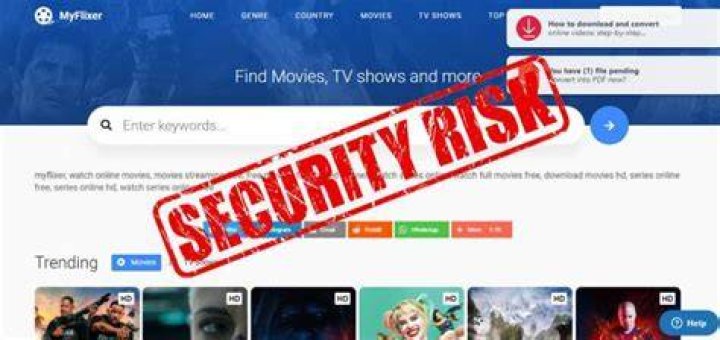
Ready to explore myflixer?
Direct instant portal link to essential features and tools.
Streaming platforms have transformed how we consume entertainment, but not all services operate within the same boundaries. When considering myflixer as a streaming option, questions about safety, security, and legality naturally arise. Understanding these concerns helps you make informed decisions about your online activity and protects you from potential risks that extend beyond simple content access.
The intersection of free streaming services and user safety presents complex challenges. Before accessing any platform, evaluating the security infrastructure, privacy protocols, and legal standing becomes essential for protecting both your device and personal information.
Understanding Free Streaming Platform Risks
Free streaming websites operate differently from subscription-based services like Netflix or Disney+. These platforms typically generate revenue through advertising, which introduces various security vulnerabilities. The business model relies on high traffic volumes and ad impressions, sometimes leading to partnerships with less reputable ad networks.
Many free streaming sites lack the robust security infrastructure found in legitimate services. Without proper encryption, user data becomes vulnerable during transmission. Third-party scripts embedded in pages can track browsing behavior, collect personal information, or even inject malicious code into your device.
The absence of official licensing agreements means these platforms exist in legal gray areas. Content appears without proper distribution rights, creating potential liability for both operators and users. This uncertain legal foundation often results in frequent domain changes and unpredictable service availability.
Security Vulnerabilities on Unofficial Streaming Sites
Malware distribution represents one of the most significant threats on unauthorized streaming platforms. Pop-up advertisements and redirect chains can install unwanted software without explicit user consent. Trojan horses, ransomware, and spyware frequently hide behind seemingly innocent "play" buttons or download links.
Cryptojacking scripts have become increasingly common on free streaming sites. These scripts use your device's processing power to mine cryptocurrency while you watch content, slowing performance and increasing energy consumption. Most users remain completely unaware this exploitation is occurring.
Phishing Attempts and Fake Login Pages
Many streaming sites display fake security warnings or software update prompts designed to trick users into downloading malicious programs. These social engineering tactics exploit user trust and urgency to bypass rational decision-making processes.
Fake registration pages collect email addresses, passwords, and payment information. Users who reuse credentials across multiple platforms face account compromise on legitimate services when this data falls into wrong hands.
Privacy Concerns and Data Collection Practices
Unauthorized streaming platforms rarely maintain transparent privacy policies. When privacy statements exist, they often grant broad permissions for data collection, sharing, and monetization without meaningful user control or consent mechanisms.
Tracking technologies monitor viewing habits, search queries, and browsing patterns. This behavioral data gets packaged and sold to data brokers, advertisers, and potentially malicious actors. The information collected extends beyond streaming activity to include device details, IP addresses, and geographic locations.
Third-Party Script Exposure
Free streaming sites integrate numerous third-party scripts for analytics, advertising, and content delivery. Each script represents a potential privacy vulnerability, as external parties gain access to user information and browsing behavior without direct oversight from the primary platform.
Cross-site tracking follows users across the internet, building comprehensive profiles that extend far beyond a single streaming session. These profiles inform targeted advertising but also create security risks when aggregated data gets breached or misused.
Legal Implications of Using Unauthorized Streaming Services
Copyright infringement represents the primary legal concern surrounding unauthorized streaming platforms. Content distributed without proper licensing violates intellectual property laws in most jurisdictions. While enforcement typically targets operators rather than individual users, accessing copyrighted material without authorization carries legal risk.
Internet service providers increasingly monitor traffic for copyright violations. Some ISPs issue warning notices to subscribers accessing unauthorized content, and repeated violations can result in service throttling or termination. Legal consequences vary significantly by country, with some regions imposing fines or criminal penalties for streaming pirated content.
Geographic Variations in Streaming Laws
Different countries approach streaming piracy with varying levels of enforcement. European nations have implemented stricter regulations following recent court rulings that clarified user liability for accessing unauthorized streams. The United States primarily focuses on platform operators but maintains provisions for pursuing end users in certain circumstances.
Some jurisdictions consider streaming distinct from downloading, creating ambiguity around legal interpretation. This gray area provides little practical protection, as laws continue evolving to address changing digital consumption patterns.
Comparing Legitimate Alternatives to Risky Platforms
Legitimate streaming services invest heavily in security infrastructure, implementing encryption protocols, secure payment processing, and regular security audits. These platforms maintain clear privacy policies, offer user control over data collection, and comply with regional data protection regulations.
Subscription costs for legal services reflect the value of licensed content, creator compensation, and platform security. Many services offer free tiers with advertising, student discounts, or bundle deals that make legitimate access more affordable than many users realize.
Free Legal Streaming Options
Several platforms provide free, ad-supported streaming of licensed content. Services like Tubi, Pluto TV, and Crackle offer extensive libraries without subscription fees while maintaining proper licensing agreements and security standards. These alternatives eliminate legal and security risks while still providing cost-free entertainment.
Public library systems increasingly offer free streaming services to cardholders, including platforms like Kanopy and Hoopla. These services provide access to thousands of films and shows without ads, subscription costs, or security concerns.
Protecting Yourself When Accessing Streaming Content
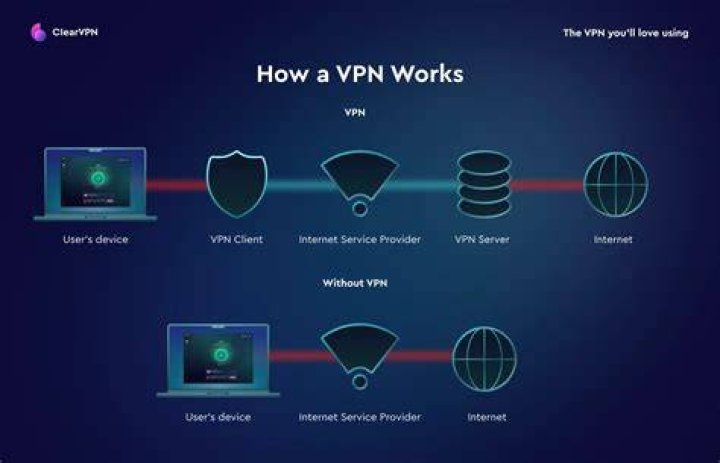
If you choose to access any streaming platform, implementing security measures reduces potential risks. Virtual private networks encrypt internet traffic and mask IP addresses, adding a layer of privacy protection. However, VPNs don't eliminate malware risks or legal liability associated with accessing unauthorized content.
Ad blockers prevent many malicious advertisements from loading, reducing exposure to malware and tracking scripts. Browser extensions like uBlock Origin or Privacy Badger block known trackers and suspicious domains, though determined attackers continue developing methods to bypass these protections.
Device and Network Security Best Practices
Maintaining updated antivirus software provides essential protection against malware infections. Regular system scans detect and remove threats before they cause significant damage. Enabling automatic updates ensures security patches address newly discovered vulnerabilities promptly.
Using dedicated devices or browsers for streaming activities limits potential damage if security breaches occur. Creating separate user accounts with restricted permissions prevents malware from accessing sensitive system files or personal data stored on primary accounts.
Recognizing Warning Signs of Dangerous Streaming Sites
Excessive pop-up advertisements indicate poor security practices and potential malware distribution. Legitimate streaming platforms minimize intrusive advertising and never require multiple clicks or redirects to access content.
Requests for unnecessary personal information raise immediate red flags. Streaming sites have no legitimate reason to request social security numbers, credit card details for "free" services, or excessive personal data beyond basic account creation requirements.
Domain and SSL Certificate Verification
Suspicious domain names using misspellings or unusual extensions often indicate unauthorized operations. Legitimate services maintain consistent domains and rarely change URLs to evade legal action or detection.
Absence of HTTPS encryption or invalid SSL certificates signals inadequate security measures. Modern browsers display warnings for sites lacking proper certificates, and users should heed these alerts rather than proceeding to unprotected pages.
Understanding the True Cost of Free Streaming
While platforms like myflixer appear to offer free entertainment, hidden costs manifest through security risks, privacy compromises, and potential legal consequences. The value proposition of avoiding subscription fees diminishes when considering device repairs, identity theft recovery, or legal complications.
Content creators and industry workers depend on legitimate revenue streams for sustainable careers. Unauthorized streaming platforms undermine creative industries by diverting resources away from production and distribution of quality content. Supporting legitimate services ensures continued investment in entertainment that audiences enjoy.
Final Thoughts
The safety of streaming platforms depends on multiple factors including security infrastructure, privacy practices, and legal compliance. While myflixer and similar services may provide access to desired content, the associated risks often outweigh perceived benefits. Security vulnerabilities expose devices to malware, privacy policies fail to protect personal information, and legal gray areas create potential liability for users.
Legitimate streaming alternatives offer comparable content libraries with robust security, transparent privacy practices, and legal peace of mind. Whether choosing subscription services or free ad-supported platforms, prioritizing safety and legality protects both your digital security and supports sustainable content creation. Making informed decisions about streaming services requires understanding the full scope of risks and available alternatives.
