Best Practices for Using sfilx: Tips for Optimal Streaming
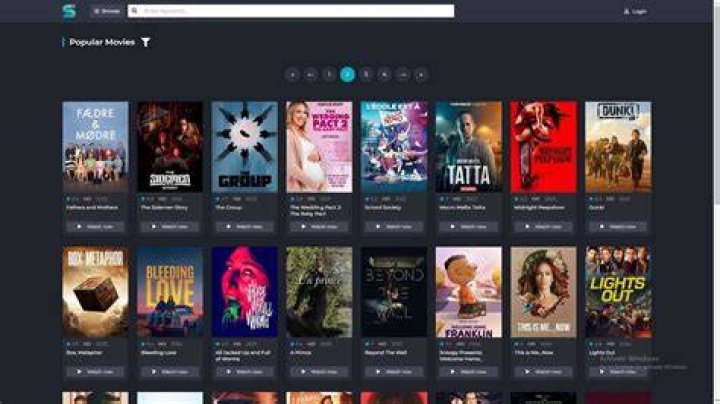
Ready to explore sfilx?
Direct instant portal link to essential features and tools.
Streaming platforms have transformed how we consume entertainment, but getting the best experience requires more than just hitting play. Whether you're new to sfilx or looking to enhance your current setup, understanding the right practices can dramatically improve your viewing quality, reduce buffering, and make navigation smoother. The difference between a frustrating streaming session and a seamless one often comes down to a few simple adjustments and habits.
This guide walks through practical strategies that address common streaming challenges while helping you unlock features you might not know existed. From connection optimization to content discovery techniques, these tips will help you stream smarter and enjoy everything sfilx has to offer without technical headaches getting in the way.
Optimize Your Internet Connection for Consistent Performance
Your internet connection serves as the foundation for any streaming experience. Before troubleshooting platform-specific issues, verify that your connection speed meets the requirements for your desired video quality. Standard definition typically needs around 3 Mbps, high definition requires 5-8 Mbps, and 4K content demands at least 25 Mbps for smooth playback.
Running a speed test during peak usage hours reveals whether your actual speeds match what your provider advertises. If results fall short, consider upgrading your plan or switching to a wired Ethernet connection instead of relying on WiFi. Ethernet eliminates interference issues and provides stable speeds that wireless connections struggle to maintain consistently.
Position Your Router Strategically
For those who must use WiFi, router placement makes a substantial difference. Position your router in a central location away from concrete walls, metal objects, and electronic devices that cause interference. Elevating the router off the floor and keeping it in open spaces rather than closets or cabinets improves signal distribution throughout your home.
The 5GHz WiFi band offers faster speeds with less congestion than the older 2.4GHz band, though it has a shorter range. If your streaming device is relatively close to the router, switching to 5GHz can eliminate many buffering issues immediately.
Adjust Video Quality Settings Based on Your Bandwidth
Auto-quality settings work well most of the time, but manually selecting your video quality gives you more control when connection speeds fluctuate. When sfilx detects slower speeds, it automatically reduces quality to maintain playback, but sometimes this adjustment happens too frequently, creating a distracting viewing experience as resolution shifts up and down.
Locking your quality setting to a specific resolution prevents these constant changes. If you experience frequent buffering, manually selecting a lower quality ensures uninterrupted playback rather than the platform constantly attempting to deliver higher quality than your connection supports. You can always increase the setting later when network conditions improve.
Clear Cache and Data Regularly
Streaming apps accumulate temporary files and cached data over time, which can eventually cause performance issues like slow loading, freezing, or login problems. Clearing this data gives the application a fresh start and often resolves issues that seem complicated but have simple solutions.
On mobile devices, navigate to your device settings, find the sfilx app, and select the option to clear cache and data. On browsers, clearing cookies and cached images specifically for the streaming site accomplishes the same result. This process doesn't delete your account or preferences, just temporary files that may have become corrupted.
Update Your Apps and Devices
Outdated applications miss important bug fixes and performance improvements. Enable automatic updates for the sfilx app on all your devices, or manually check for updates weekly. Similarly, keeping your device operating system current ensures compatibility with the latest app features and security patches.
Older devices eventually reach a point where they no longer support current streaming apps efficiently. If your device is more than five years old and you're experiencing persistent issues despite following other best practices, the hardware itself may be the limiting factor.
Use Download Features for Offline Viewing
Streaming on unreliable connections creates frustration, but downloading content in advance solves this problem entirely. When connected to stable WiFi at home, download movies and shows to watch later during commutes, flights, or anywhere with poor connectivity. This approach also reduces data usage on mobile plans with limited bandwidth.
Downloaded content typically remains available for a set period before requiring renewal through an online connection. Check download expiration dates and refresh them before extended offline periods. Manage your storage by removing watched downloads promptly to make room for new content.
Optimize Device Settings for Better Playback
Background apps consume processing power and bandwidth that could go toward streaming. Close unnecessary applications before starting your viewing session, particularly on phones, tablets, and computers. On smart TVs and streaming sticks, restart the device periodically to clear memory and close background processes you can't see.
Disable automatic updates and cloud sync services during active streaming sessions. These processes can spike bandwidth usage without warning, causing sudden quality drops or buffering. Schedule updates for times when you're not watching content instead.
Configure Display Settings
Match your display settings to your screen's capabilities. Playing 4K content on a 1080p TV wastes bandwidth without improving what you see, while forcing 1080p content on a 4K display leaves picture quality on the table. Most modern devices detect optimal settings automatically, but verifying these configurations ensures you're getting the intended experience.
Adjust brightness, contrast, and color settings on your display to enhance the image without adjusting the stream itself. Many TVs come with preset modes for movies, sports, or gaming that optimize these values for different content types.
Master Content Discovery and Personalization
The recommendation algorithm on sfilx improves as you interact with content. Rating shows and movies you watch helps the platform understand your preferences and surface relevant suggestions. Unlike passive watching, actively rating content trains the system to show you more of what you enjoy and less of what doesn't interest you.
Create separate profiles for different household members to prevent recommendations from becoming muddled. Kids' viewing habits shouldn't influence recommendations for adults, and vice versa. Individual profiles also allow each person to maintain their own watchlist and viewing progress.
Utilize Search and Filter Options
Browsing endlessly through content wastes time when specific search and filter tools can narrow results quickly. Search by genre, release year, or specific actors to find exactly what you want. Many users stick to homepage recommendations without realizing the extensive catalog available through deliberate searching.
Bookmark or add interesting titles to your watchlist immediately rather than trying to remember them later. Watchlists serve as your personal queue, making it easy to find saved content when you're ready to watch without searching again.
Troubleshoot Common Streaming Problems Efficiently
When problems occur, following a systematic troubleshooting process saves time. Start with the simplest solutions first: refresh the page or close and reopen the app, check your internet connection, and restart your streaming device. These basic steps resolve the majority of issues within minutes.
For persistent problems, sign out of your account completely and sign back in. This forces the app to re-authenticate and can resolve glitches related to account data or permissions. If a specific title won't play while others work fine, the issue likely lies with that particular content file rather than your setup.
Handle Audio and Video Sync Issues
Audio that doesn't match the video creates a jarring experience. This problem usually stems from device processing delays rather than the stream itself. Enable audio delay adjustment in your device settings to manually sync audio with video. Alternatively, using your TV's speakers instead of an external sound system often eliminates the delay since the audio doesn't travel through additional processing.
Video stuttering or dropped frames typically indicate bandwidth or hardware limitations. Reducing video quality one level often eliminates stuttering without dramatically impacting visual quality, particularly on smaller screens where resolution differences are less noticeable.
Manage Multiple Devices and Simultaneous Streams
Most streaming accounts limit simultaneous streams, so coordinate viewing with other household members to avoid hitting the limit. When you reach the maximum, someone needs to stop watching before another device can start. Knowing your account's stream limit prevents confusion when multiple people try watching at once.
Log out of devices you no longer use to free up available device slots. Old phones, tablets you've given away, or streaming sticks you've replaced may still be registered to your account. Periodically reviewing connected devices and removing obsolete ones improves account security and management.
Protect Your Account Security
Use a strong, unique password for your sfilx account rather than recycling passwords from other services. Password managers generate and store complex passwords securely, eliminating the need to remember them while keeping your account protected. Enable two-factor authentication if the platform offers it for an additional security layer.
Never share your login credentials publicly or with people outside your household. Account sharing beyond the terms of service can result in suspension. Review your account activity regularly to spot unauthorized access early, and change your password immediately if anything looks suspicious.
Maximize Value Through Smart Subscription Management
Understand what your subscription includes and take advantage of all available features. Some users pay for premium tiers without realizing what extras they're entitled to, like higher quality streaming, more simultaneous devices, or early access to new releases. Review your plan details to ensure you're using everything you're paying for.
Consider your actual viewing habits when choosing subscription tiers. If you rarely watch on more than one device at a time, paying for additional streams wastes money. Conversely, if multiple household members watch simultaneously and you constantly hit stream limits, upgrading becomes cost-effective.
Final Thoughts
Getting the most from sfilx doesn't require technical expertise, just attention to a few key areas that significantly impact your experience. Connection quality forms the foundation, while strategic device settings, regular maintenance, and smart content management build on that base to create smooth, enjoyable streaming sessions. Small adjustments like clearing cache periodically, positioning your router properly, and using downloads strategically add up to noticeable improvements. By implementing these practices consistently, you'll spend less time troubleshooting and more time enjoying your favorite content exactly as intended.
