Is sfilx Safe? Privacy, Security, and Legal Considerations
Ready to explore sfilx?
Direct instant portal link to essential features and tools.
When choosing any online platform or service, understanding the safety implications should be your top priority. Users increasingly demand transparency around how their data is collected, stored, and protected. Whether you're considering sfilx for personal or professional use, evaluating its privacy practices, security infrastructure, and legal compliance helps you make informed decisions about your digital footprint.
This article examines the key safety considerations surrounding sfilx, from encryption standards to regulatory compliance. We'll explore what safeguards exist to protect your information and what potential risks you should be aware of before engaging with the platform.
Understanding Data Collection Practices
Every digital service collects some form of user data to function properly. The critical question isn't whether data is collected, but what type of information is gathered and how it's used. Most platforms collect basic account information like email addresses, usage patterns, and IP addresses to deliver their core services.
Transparency in data collection practices separates trustworthy platforms from questionable ones. Reputable services provide clear privacy policies that outline exactly what data they collect, why they need it, and how long they retain it. Users should look for platforms that practice data minimization, collecting only what's necessary to provide the service rather than harvesting excessive personal information.
Third-party data sharing represents another crucial consideration. Some platforms monetize user data by selling it to advertisers or sharing it with partner companies. Understanding whether sfilx engages in such practices requires reviewing their terms of service and privacy documentation thoroughly.
Encryption and Data Protection Measures
Strong encryption forms the foundation of any secure online platform. End-to-end encryption ensures that data remains protected during transmission between your device and the service's servers. Without proper encryption, sensitive information becomes vulnerable to interception by malicious actors.
Transport Layer Security, commonly known as TLS, represents the industry standard for protecting data in transit. Platforms should implement the latest TLS versions to guard against known vulnerabilities. Additionally, data at rest should be encrypted using robust algorithms that make unauthorized access virtually impossible.
Authentication mechanisms also play a vital role in security. Two-factor authentication adds an extra layer of protection beyond passwords, requiring a secondary verification method before granting access. Platforms offering multiple authentication options demonstrate a commitment to user security.
Server Security and Infrastructure
The physical and virtual security of servers hosting user data matters just as much as encryption. Reputable platforms partner with certified data centers that maintain strict access controls, surveillance systems, and environmental protections. Regular security audits and penetration testing help identify vulnerabilities before they can be exploited.
Geographic server location impacts both performance and legal jurisdiction. Servers located in regions with strong data protection laws offer additional safeguards for user information. Understanding where your data physically resides helps you assess the regulatory framework protecting it.
Privacy Policy Transparency
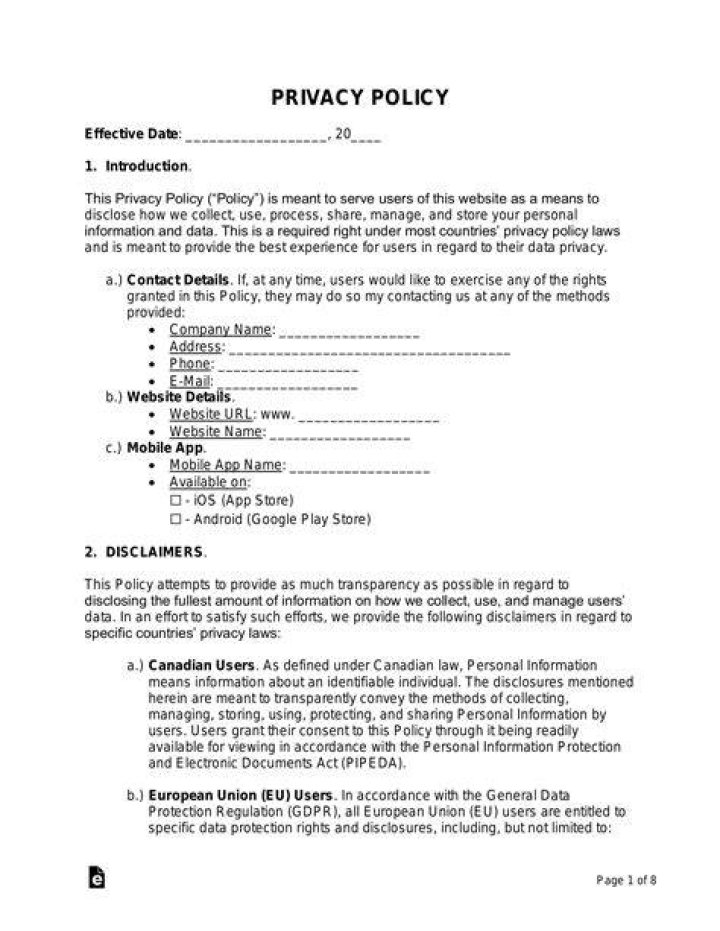
A comprehensive privacy policy serves as the contract between users and platforms regarding data handling. Well-written policies use plain language rather than dense legal jargon, making it easier for average users to understand their rights and the platform's obligations.
Key elements to look for include explicit statements about data retention periods, procedures for data deletion requests, and notification policies in case of security breaches. Platforms that regularly update their privacy policies in response to changing regulations demonstrate active engagement with user protection.
The ability to export or delete your data represents a fundamental user right recognized by modern privacy regulations. Services should provide straightforward mechanisms for users to exercise these rights without unnecessary obstacles or delays.
Legal Compliance and Regulatory Standards
Different jurisdictions enforce varying levels of data protection requirements. The European Union's General Data Protection Regulation stands as one of the most comprehensive frameworks, establishing strict rules around consent, data processing, and user rights. Platforms operating internationally must navigate multiple regulatory environments simultaneously.
Compliance certifications provide external validation of security practices. ISO 27001 certification demonstrates that an organization has implemented an information security management system meeting international standards. SOC 2 reports evaluate controls related to security, availability, and confidentiality.
For users in specific industries like healthcare or finance, sector-specific regulations may apply. HIPAA compliance matters for health-related data, while financial platforms must adhere to banking regulations and payment card industry standards.
Copyright and Intellectual Property Considerations
Legal safety extends beyond privacy to encompass intellectual property rights. Understanding who owns the content you upload or create on a platform prevents future disputes. Some terms of service grant platforms broad licenses to user-generated content, potentially limiting your control over your own creations.
Platforms handling user-uploaded content must also implement mechanisms to address copyright infringement claims. The Digital Millennium Copyright Act in the United States provides a framework for takedown notices and counter-notifications, balancing rights holder protections with user freedoms.
User Account Security Best Practices
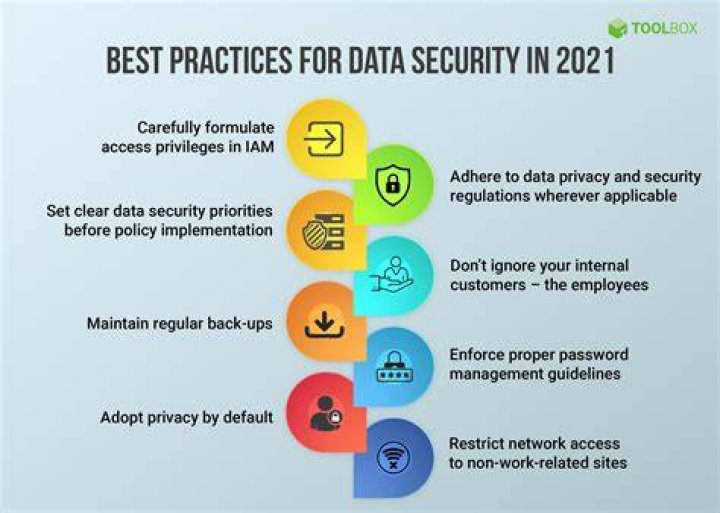
Platform security features only work effectively when paired with responsible user behavior. Creating strong, unique passwords for each service prevents credential stuffing attacks where compromised passwords from one breach are used to access other accounts. Password managers simplify this process by securely storing complex passwords.
Recognizing phishing attempts protects against social engineering attacks that bypass technical security measures. Legitimate platforms never ask for passwords through email or direct messages. Users should verify communication authenticity by accessing services directly through bookmarked URLs rather than clicking email links.
Regular security reviews of connected applications and active sessions help identify unauthorized access. Many platforms allow users to view devices currently logged into their accounts and revoke access remotely if something appears suspicious.
Potential Security Risks and Vulnerabilities
No platform achieves perfect security, and acknowledging potential risks enables informed decision-making. Software vulnerabilities can emerge even in well-maintained systems, making timely security updates critical. Platforms should maintain bug bounty programs that incentivize security researchers to report vulnerabilities responsibly.
Third-party integrations expand functionality but also introduce additional attack surfaces. Each connected service represents a potential entry point for security breaches. Users should carefully evaluate which integrations are necessary and review the permissions granted to each.
Human error remains one of the largest security risks. Misconfigurations, accidental data exposures, and inadequate employee training can undermine technical security measures. Platforms with strong security cultures implement regular training and clear protocols to minimize these risks.
Data Breach Response Protocols
How a platform responds to security incidents reveals much about its commitment to user safety. Transparent breach notifications that promptly inform affected users allow them to take protective actions like changing passwords or monitoring for fraud. Delayed or incomplete notifications leave users vulnerable to ongoing threats.
Post-breach remediation measures should address root causes rather than just symptoms. Comprehensive incident reports demonstrating what went wrong, what data was compromised, and what steps were taken to prevent recurrence build trust even in the aftermath of security failures.
Comparing Safety Standards Across Platforms
Evaluating sfilx safety requires context from industry benchmarks. Comparing security features, privacy policies, and compliance certifications against competitors highlights strengths and potential gaps. No single security measure guarantees complete safety, but a comprehensive approach addressing multiple layers of protection significantly reduces risks.
Independent security assessments and user reviews provide valuable insights beyond official documentation. Security researchers often publish findings about platform vulnerabilities, while user communities share practical experiences regarding privacy practices and customer support responsiveness to security concerns.
The platform's track record matters significantly. Organizations with histories of security breaches or privacy violations require extra scrutiny, particularly regarding how they've improved practices in response to past incidents.
Making an Informed Safety Assessment
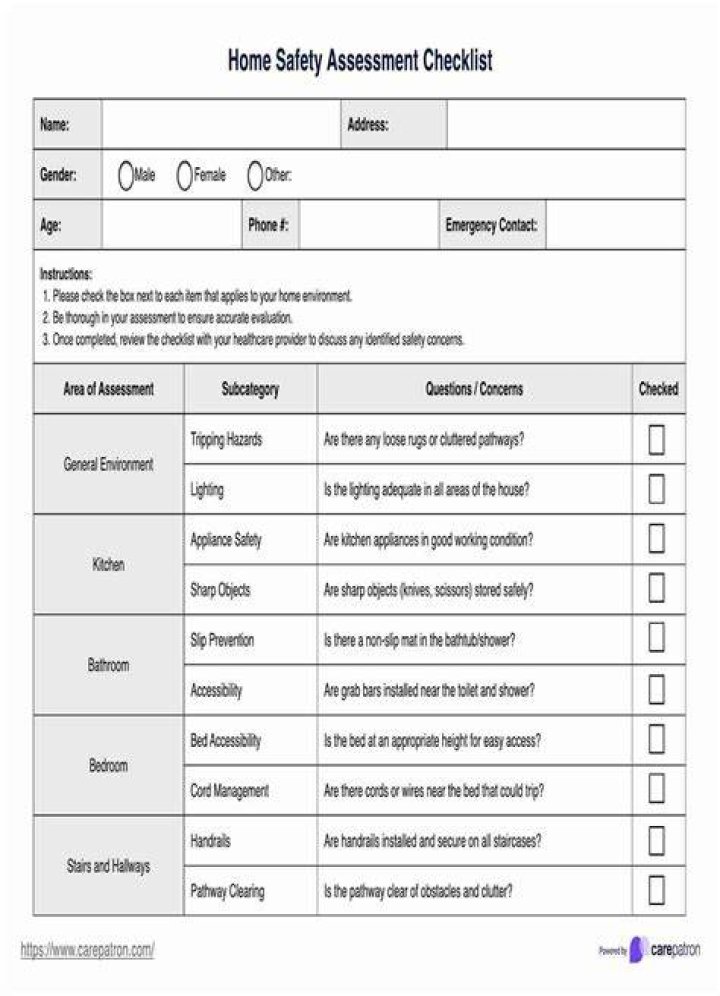
Conducting a personal safety assessment involves weighing various factors against your specific needs and risk tolerance. Users handling highly sensitive information require stronger security guarantees than those using platforms for casual purposes. Understanding your threat model helps prioritize which security features matter most for your situation.
Reading privacy policies completely, though time-consuming, provides essential information about data handling practices. Pay particular attention to sections about data sharing, retention periods, and user rights. If anything seems unclear or concerning, contacting customer support for clarification before creating an account prevents future surprises.
Monitoring ongoing changes to terms of service and privacy policies helps you stay informed about evolving practices. Platforms should notify users of significant policy changes, but proactive review ensures you don't miss important updates that might affect your data security.
Final Thoughts
Determining whether sfilx is safe requires examining multiple dimensions of privacy, security, and legal compliance. No platform can guarantee absolute safety, but those implementing strong encryption, transparent privacy practices, and comprehensive security measures significantly reduce risks. Users must balance platform-provided protections with their own security practices to maintain optimal safety.
Staying informed about data protection rights, recognizing potential vulnerabilities, and regularly reviewing security settings empowers you to use online services more safely. As digital platforms evolve and threats become more sophisticated, ongoing vigilance and education remain essential components of online safety regardless of which services you choose to use.
